Table of Contents
1. Introduction to Wagtail CMS
If you’re looking for a fast, efficient, and highly flexible content management system for modern web projects, Wagtail CMS is one of the best choices available today. Built on Django, it offers the perfect combination of performance, editor experience, and developer freedom.
2. Why Wagtail CMS Is Getting Popular
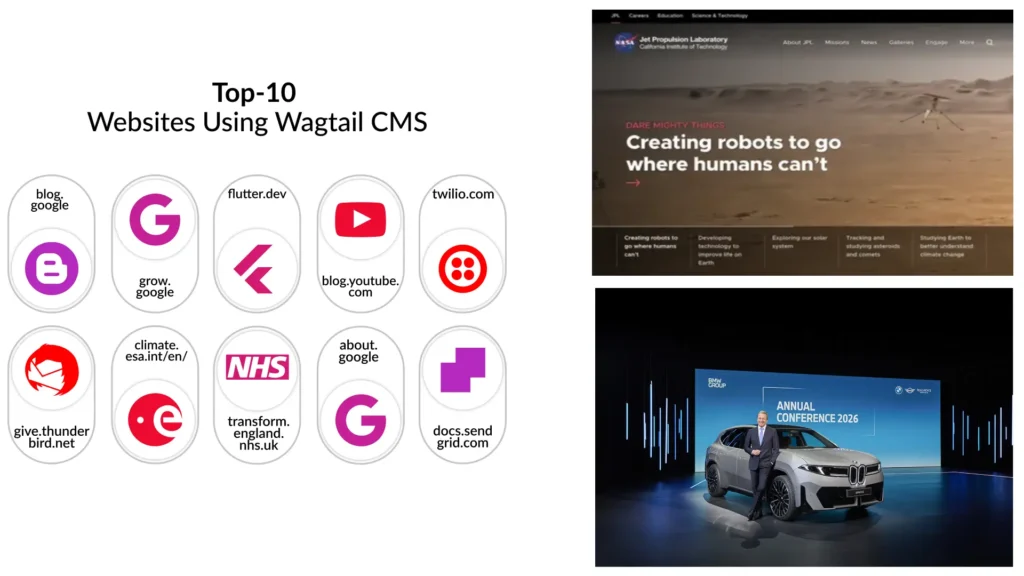
Over the past few years, Wagtail CMS has become very popular, used by big brands like NASA, Google, BMW, and many universities. People choose Wagtail because it is secure, flexible, and perfect for websites with lots of content. Wagtail CMS is a choice for many.
It’s used by well-known brands such as:
- NASA
- BMW
- National Health Service (NHS)
This strong adoption shows why Wagtail CMS continues to grow rapidly.
3. Key Features of Wagtail CMS
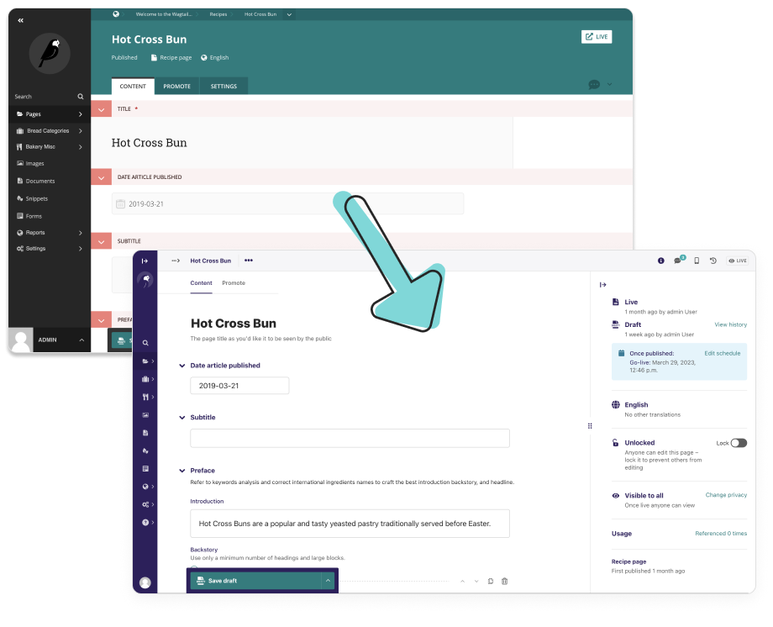
3.1 User-Friendly Admin Interface
Wagtail has a modern dashboard that helps editors manage content easily. The admin interface is simple to use.
3.2 StreamField for Flexible Content
Wagtail’s StreamField system lets developers build custom content blocks, making the platform adaptable for blogs, landing pages, and dynamic layouts. This feature is really useful.
3.3 Excellent Performance
Since it’s built on Django Wagtail CMS, it offers fast loading times and reliable performance on all devices. Wagtail CMS is fast and efficient.
3.4 Strong SEO Tools
Wagtail allows editors to control metadata, URL structure, and image optimization. These tools are great for SEO.
4. How Wagtail CMS Benefits Developers
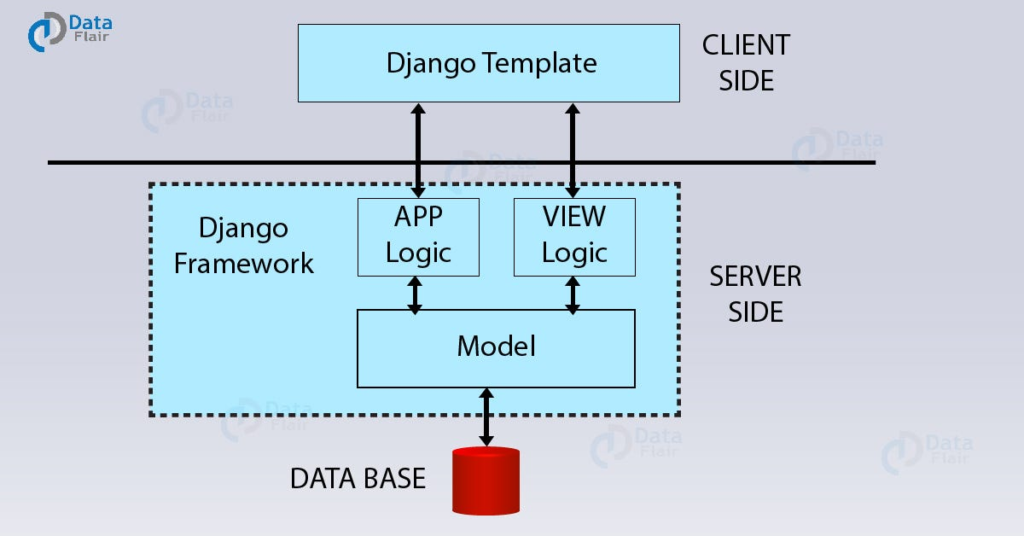
Developers like Wagtail because it is built for customization and scalability. They can easily customize Wagtail.
4.1 Custom Templates
There is no plugin overload. Everything stays clean and structured. This keeps the development process simple.
4.2 Python & Django Ecosystem
The backend architecture ensures security and flexibility. This is an advantage.
4.3 API-driven Development
Wagtail’s built-in API makes it easy to connect with apps and JavaScript frameworks. This feature is very helpful.
5. Wagtail CMS vs Other CMS Platforms
- Performance: Wagtail is faster because it avoids unnecessary plugins.
- Security: Django offers enterprise-level security.
- Customization: Developers can build exactly what they want without clutter.
- Scalability: Perfect for large projects with complex data structures.
Wagtail focuses on speed, security, SEO, and custom development—unlike systems like WordPress that have many plugins. Wagtail is a choice.
Wagtail Official Documentation
6. Best Use Cases for Wagtail CMS
Wagtail is ideal for:
- Universities
- Corporate sites
- Government portals
- News platforms
- Custom business applications
Wagtail CMS is great for these use cases.
7. How to Get Started With Wagtail CMS
Starting with Wagtail CMS is simple:
Step 1: Install Wagtail
pip install wagtail
wagtail start mysite
cd mysite
python manage.py migrate
python manage.py runserver
Step 2: Create Models
Define your content structure. This is a step.
Step 3: Build Templates
Use Django’s template system for control. This gives you flexibility.
Step 4: Launch & Optimize
Add metadata, improve speed, and configure roles. This will help you get the most out of Wagtail.
8. Final Thoughts
Wagtail CMS is a flexible solution for building modern websites. Its combination of performance, customization, and SEO-friendliness makes it ideal for both developers and content creators. Wagtail CMS is an option.
What is Wagtail CMS mainly used for?
It’s used for building fast, scalable websites with clean content structures.
Is Wagtail CMS good for SEO?
Yes, it has built-in SEO tools, customizable metadata, image optimization, and clean URLs.
Is Wagtail CMS easy to use?
Editors love its simplicity, and developers appreciate its flexibility.